
Flexible LED screens are widely adopted in modern display projects where traditional flat LED panels cannot meet design or spatial requirements.
Thanks to their bendable structure and seamless visual output, flexible LED screens are now a core solution in commercial, architectural, and experiential display environments.
Below are the most common real-world use cases based on industry practice.
1. Curved LED Video Walls
Curved LED video walls are one of the most popular applications of flexible LED screens.
Unlike rigid panels, flexible LED modules can form smooth concave or convex curves without visible seams, creating a more immersive viewing experience. These displays are often used to enhance visual depth and audience engagement.
Typical locations:
Corporate lobbies
Exhibition halls
Brand experience centers
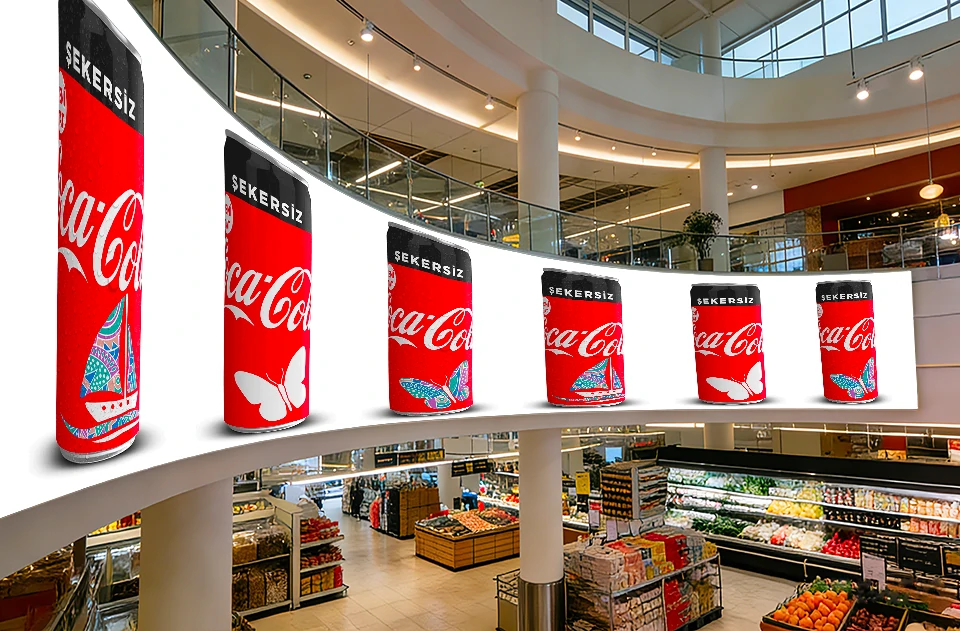
2. Cylindrical and Column LED Displays
Flexible LED screens are ideal for wrapping around columns or creating cylindrical displays.
This application is common in spaces where structural pillars cannot be removed but still need to be visually integrated into the design.
Common scenarios:
Centri commerciali
Airports
Museums
Commercial atriums
Cylindrical LED columns transform structural elements into dynamic digital features.

3. Retail Flagship Stores
In retail environments, flexible LED screens help brands create high-impact visual storytelling.
They are often installed as:
Curved feature walls
Wave-shaped display surfaces
Immersive product backdrops
Flexible LED displays allow retailers to break away from traditional flat screens and build a stronger brand presence.

4. Exhibition and Trade Show Booths
Exhibitions demand lightweight, customizable, and visually striking display solutions.
Flexible LED screens are widely used in:
Custom-shaped exhibition booths
Immersive product showcases
Creative brand installations
Their modular design makes them easier to transport and adapt to different booth layouts.

5. Architectural Feature Walls
Architects and designers increasingly integrate flexible LED screens into building interiors and facades.
These displays can follow:
Curved walls
Irregular surfaces
Artistic architectural forms
Flexible LED technology enables digital media to blend seamlessly with architectural design rather than appearing as an add-on.

6. Museums and Experience Centers
Museums and cultural venues use flexible LED screens to create immersive storytelling environments.
Applications include:
Curved timeline walls
Interactive digital exhibits
Themed immersive rooms
The ability to conform to unique spaces makes flexible LED screens especially valuable in cultural and educational projects.
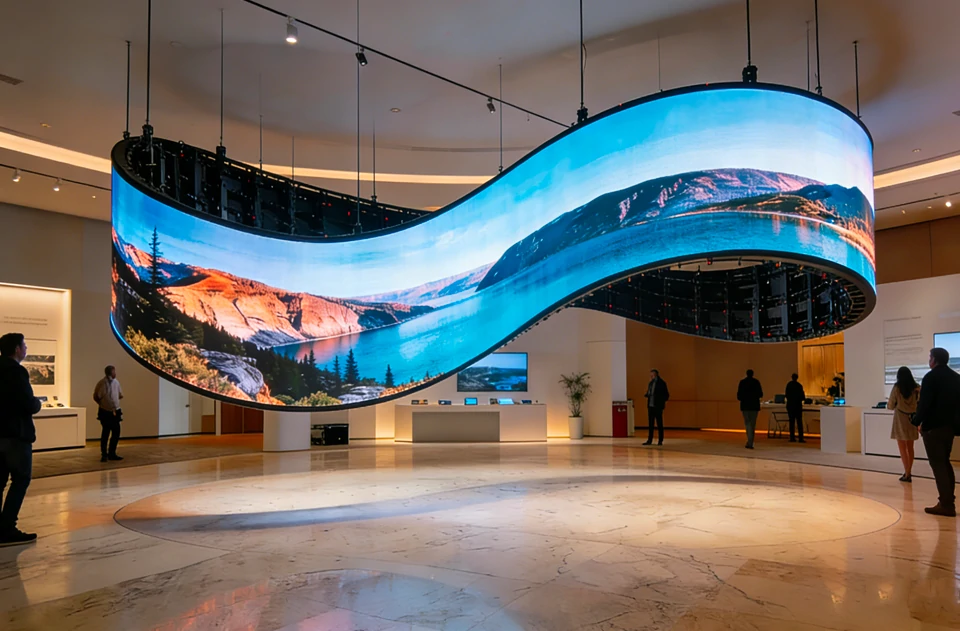
7. Hybrid Projects: Flexible + Rigid LED Screens
In many large-scale projects, flexible and rigid LED screens are used together.
A typical setup includes:
Flexible LED screens for curved or creative sections
Rigid LED screens for large flat display areas
This hybrid approach balances design freedom and cost efficiency.
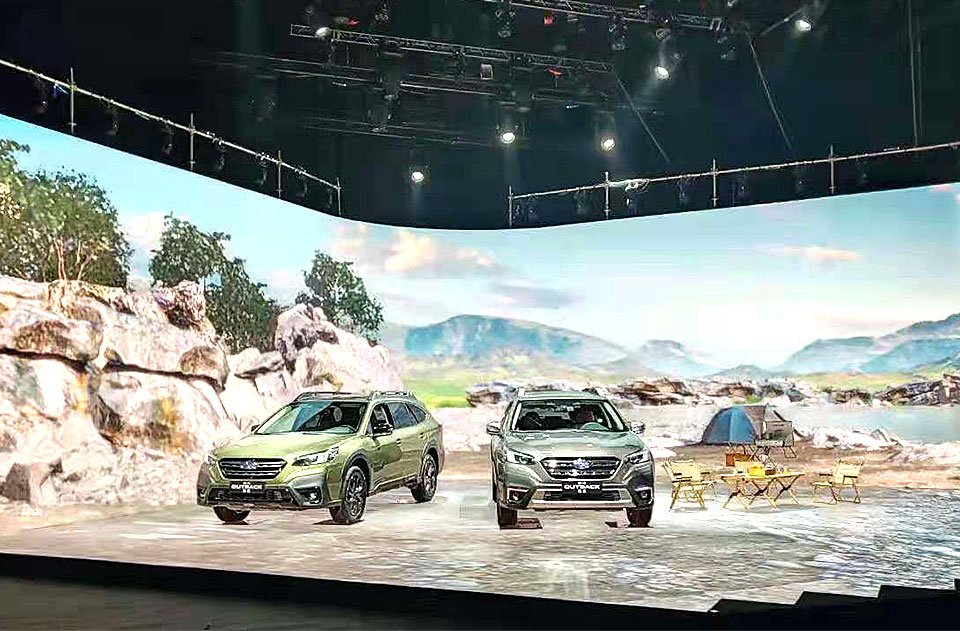
Why Flexible LED Screens Are Chosen for These Applications
Across all use cases, flexible LED screens are selected because they offer:
Adaptability to non-flat surfaces
Seamless visual continuity
Creative design freedom
High brightness and stable performance
These advantages make them suitable for projects where visual impact and customization are critical.
LEDCOMS Project Insight
Based on project experience from LEDCOM, flexible LED screens are most effective in environments where architecture, branding, and digital content need to work together as a single visual system.
Proper planning of structure, pixel pitch, and installation method is essential to ensure long-term performance and visual consistency.
Planning a Flexible LED Screen Project?
If you are considering a flexible LED screen for your next project, professional consultation is strongly recommended.
LEDCOM provides customized flexible LED screen solutions for retail, exhibition, and architectural applications worldwide.


