
Flexible LED Screen vs Traditional LED Display
A Practical Comparison to Help You Choose the Right LED Solution
When evaluating LED display options, understanding the difference between flexible LED screens and traditional LED displays is critical.
Choosing the wrong type can lead to unnecessary cost, visual compromise, or installation challenges.
This guide explains the key differences, real-world use cases, performance impact, and when to choose each solution—so you make the right decision for your project.
Quick Answer
Telas LED flexíveis are best for curved, irregular, or architecturally integrated surfaces where seamless continuity and design freedom matter.
Traditional LED displays are best for flat, large-scale, standardized installations that prioritize cost efficiency and simplicity.
The right choice depends on surface geometry, viewing distance, installation conditions, content type, and budget.
What Is a Flexible LED Screen?
A tela LED flexível uses bendable LED modules mounted on flexible PCBs and backing materials.
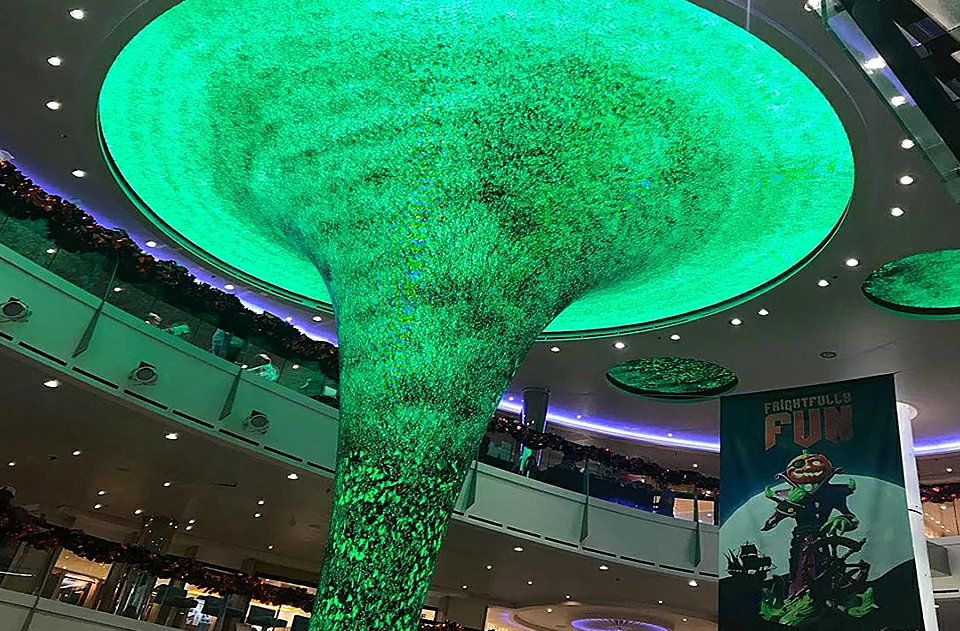
These modules adapt to curved walls, columns, wave-shaped surfaces, and complex architectural features without visible joins.
Key features:
Continuous curvature
Seamless visual appearance
High design flexibility
Custom mounting solutions
Flexible LED screens are ideal for intelligent design and architectural integration.

What Is a Traditional LED Display?
Traditional LED displays use rigid cabinets made from aluminum or steel.
They are the industry standard for flat installations, available in a wide range of pixel pitches and brightness levels.
Key features:
Rigid, standardized cabinets
Fast installation
Wide range of outdoor & indoor applications
Easier service access
Traditional LED displays are ideal for flat walls, billboards, and standard video walls.
Side-by-Side Comparison
| Feature / Factor | Flexible LED Screen | Traditional LED Display |
|---|---|---|
| Shape & Geometry | Curved, cylindrical, custom forms | Flat or limited angle curves |
| Visual Continuity | Seamless | Visible seams/joints |
| Design Flexibility | Very high | Moderate |
| Installation Structure | Custom | Standard |
| Pixel Pitch Range | Best for close viewing / creative designs | Wide range from indoor to outdoor |
| Project Cost | Higher panel cost, lower structural cost for curved projects | Lower panel cost overall |
| Maintenance | Module-level | Cabinet-level |
| Best Use Cases | Curved architectural surfaces, columns, malls | Flat LED walls, outdoor billboards |
When to Choose Flexible LED Screens
1. Curved or Irregular Surfaces
If the surface is:
Cylindrical columns
Curved interior walls
Wave-shaped facades
Architectural features
Flexible LED screens deliver visually continuous displays without the blocky seams typical of rigid solutions.
2. High Design & Visual Impact
Flexible LED screens are used in:
Retail experience zones
Brand flagship stores
Art installations
Museum exhibits
They help create memorable visual experiences, not just functional signage.
3. Seamless Indoor or Semi-Outdoor Installations
If the project needs:
No visible panel joints
Smooth transitions across curves
Custom shapes that integrate design & tech
Flexible LED screens excel in aesthetics and integration.
When to Choose Traditional LED Displays
1. Flat or Large Scale Installations
Traditional LED displays are ideal for:
Salas de conferência
Stadium screens
Outdoor advertisement billboards
Flat video walls
They offer a wide range of pixel pitches and brightness levels suitable for nearly all flat display needs.
2. Outdoor & Harsh Environments
Rigid LED cabinets are:
Easier to weatherproof
Easier to service
Proven for outdoor durability
For high-brightness outdoor use (e.g., billboards), traditional LED is usually more cost-effective.
3. Budget-Conscious Projects
If the surface is flat and the goal is maximum impact per dollar, traditional LED displays typically offer:
Lower panel cost
Standardized installation
Faster deployment
Key Design Considerations Before Choosing
1. Viewing Distance
For close-range viewing in malls or showrooms, pixel pitch matters more than panel type.
Flexible LED screens: typically P1.8 – P3
Traditional LED displays: wide range from P1.5 to P16+
Rule of thumb:
Choose pixel pitch based on viewing distance first, then choose panel type.
2. Installation Structure
Flexible LED displays require custom mounting solutions that are designed with the architecture.
Traditional LED displays use standard frames and are faster to install in flat environments.
3. Content Type
If your content includes:
Text-heavy visuals
High-contrast video
Motion graphics
Both systems can perform well—but content layout must match geometry.

Cost Comparison: What to Consider
| Cost Category | Flexible LED Screen | Traditional LED Display |
|---|---|---|
| LED Panels | Higher per sqm | Lower per sqm |
| Structural Steelwork | Lower for curves | Higher if custom |
| Installation Labor | Higher for custom | Lower |
| Maintenance | Module replacement | Cabinet replacement |
Important: Do not compare only panel price.
Compare total installed cost including structure, alignment, calibration, and long-term servicing.
Common Mistakes When Choosing Between Them
Choosing flexible LED when the surface is flat
Ignoring pixel pitch → geometry mismatch
Copying specs from unrelated projects
Forgetting maintenance access planning
These mistakes often lead to budget overruns or visual issues.
How Professionals Make the Decision
Experienced LED engineers start with:
Surface geometry analysis
Viewing distance & content type
Pixel pitch requirement
Installation & maintenance planning
Long-term reliability assessment
This systematic approach minimizes risk and ensures the display performs exactly as intended.
At LEDCOMS, both flexible LED screens and traditional LED displays are treated as solutions, not products. The goal is always to match architecture, content, and business goals.
Final Recommendation
To choose between flexible LED screens and traditional LED displays:
If surface is flat and standardized, choose traditional LED displays.
If surface is curved, architectural, or creative, choose telas LED flexíveis.
Always base the decision on geometry, viewing distance, and long-term use case—not just cost.
Need Help Deciding Which LED Solution Fits Your Project?
If you’re evaluating flexible LED screens vs traditional LED displays and want an engineer-backed recommendation,
the LEDCOMS team can help you:
Evaluate your surface geometry
Choose the right pixel pitch
Match content to viewer expectations
Talk to an LED engineer and get a tailored solution for your display project.


